Preserving Sight With Proven Treatments
“Since my eye surgery, I can now truly see my world has come alive. I now see how beautiful my loving wife Andrea, my family, my friends and people all around me are. My daily life is now one of excitement. I now see the most vivid colors and brightness. Dr. Galler, your successful surgery on my eyes has changed my life.”
— Patient, VA Medical Center
Galler Eyecare Associates was the first practice in Rhode Island to offer corneal cross-linking, a treatment that strengthens the cornea and can halt keratoconus progression. Dr. Ezra Galler's fellowship training in cornea and refractive surgery at the New England Eye Center means patients receive this advanced care from one of the state's most experienced corneal specialists.
From scleral lens fittings and early-stage management to corneal transplant surgery for advanced cases, our ophthalmologist in Providence, RI, provides every level of keratoconus treatment. You can benefit from fewer referrals, continuity of care, and a team that knows your history.
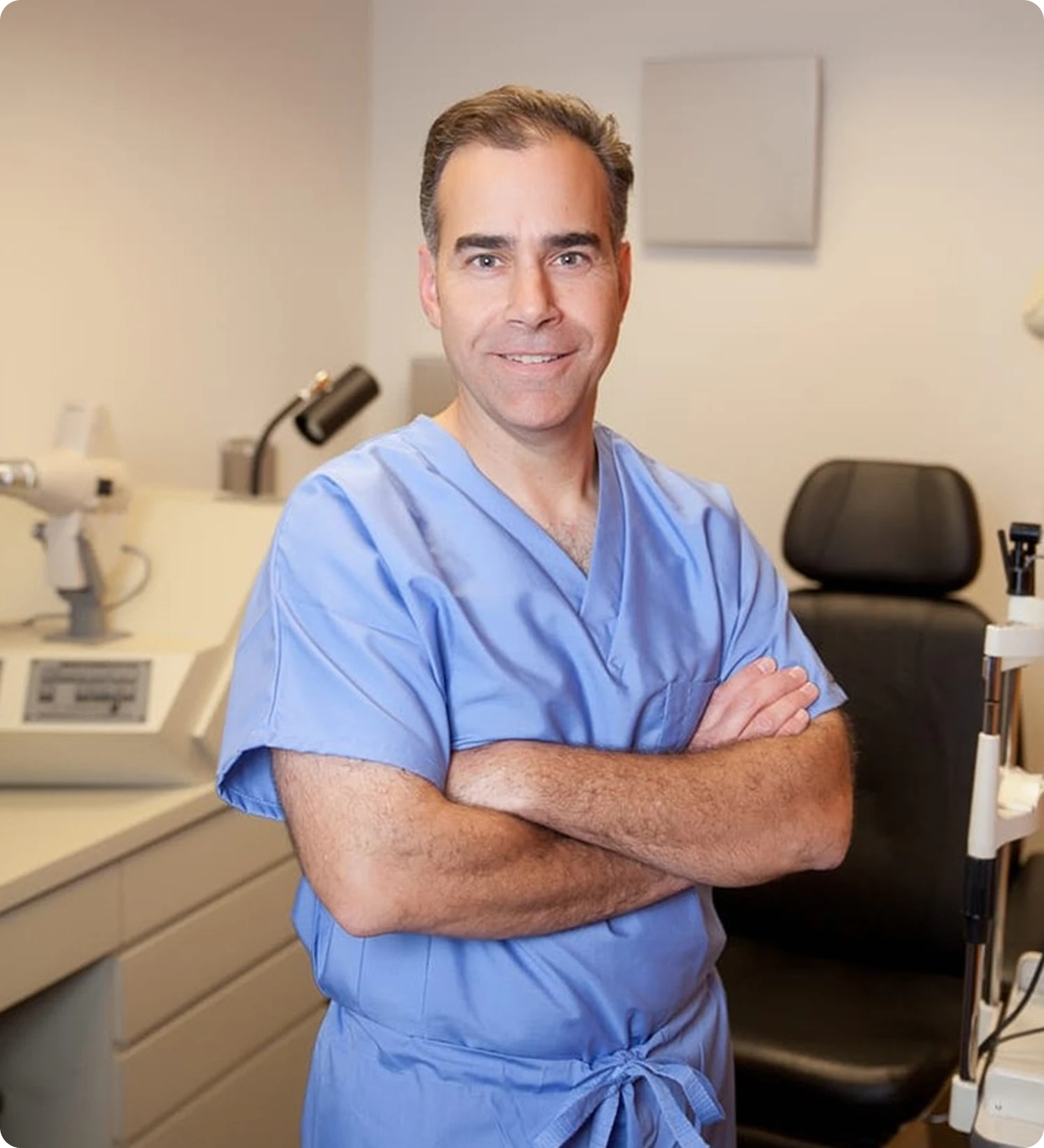
Dr. Galler has been treating complex corneal conditions since 1990 and serves as a clinical instructor at Brown University. His team of board-certified optometrists has specialized training in ocular disease and scleral lens fitting, giving patients access to decades of combined expertise.
We accept most major insurance plans, including Medicaid and Medicare. We will work with your insurance to help you secure coverage for as much of your keratoconus treatment as possible. For those without insurance or those who have out-of-pocket costs, we offer financing options. Call our Providence office to learn more.
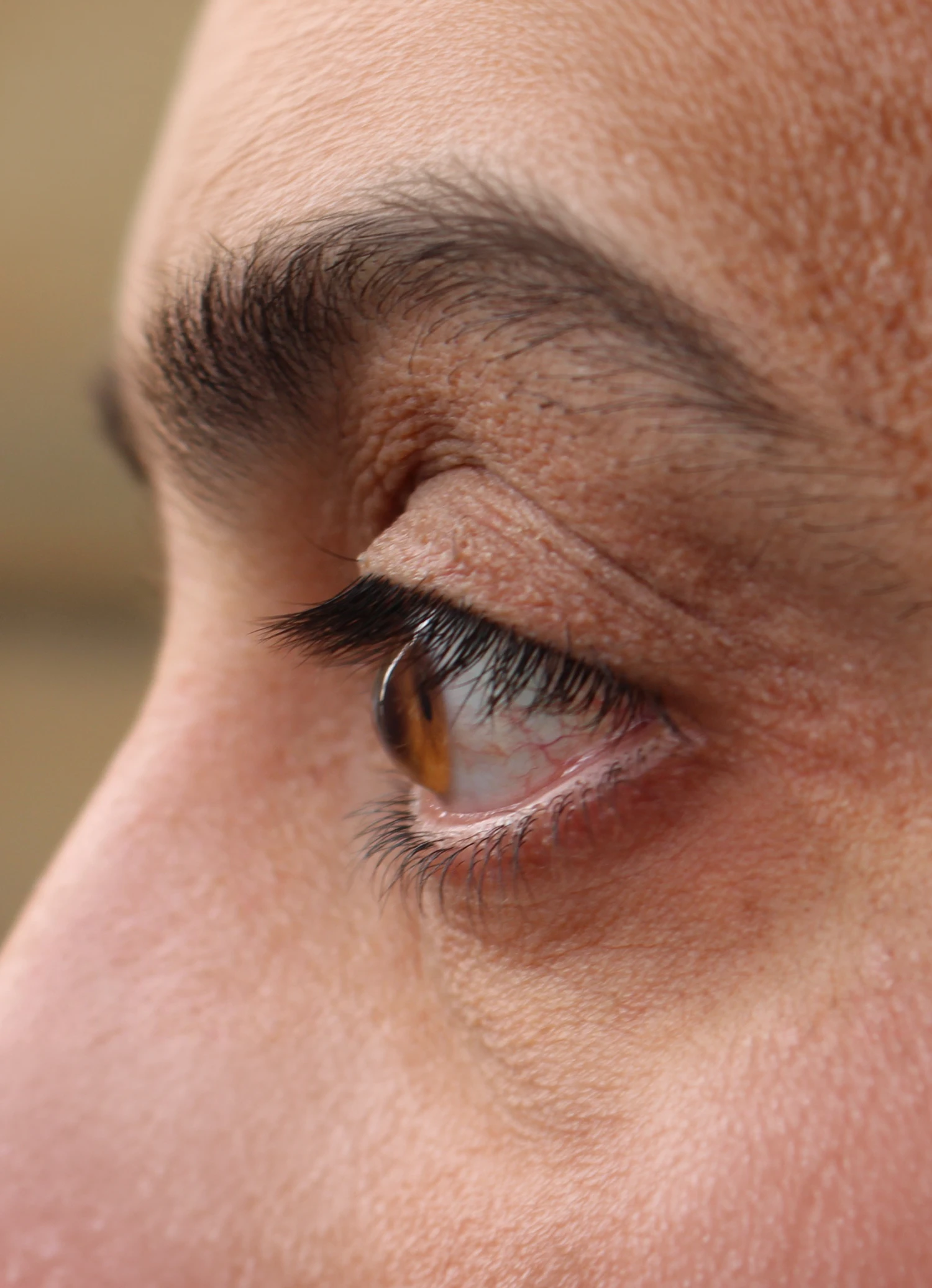
A healthy cornea is rounded and dome-shaped. Keratoconus causes the cornea to bulge and become shaped like a cone. This results in visual disturbances such as blurred vision and light sensitivity.
Don't wait. Call our Providence, RI, office today.
The symptoms of keratoconus may seem minor, but they can have serious ramifications. Fortunately, there are treatments available that can control the progression of the disease and preserve your vision. Dr. Ezra L. Galler and our team can accurately diagnose and treat keratoconus and other eye issues in one convenient location.
The sooner you seek keratoconus treatment in Providence, RI, the better. Don't risk your vision. Contact us online or call our Providence eyecare practice to see one of our doctors as soon as possible.
“I’ve been seeing Dr. Galler for several years and more recently Dr. Z. I can’t say enough good things about this practice and have consistently received excellent care. Highly recommend!”

Keratoconus is a treatable corneal condition that occurs when the cornea thins and begins to bulge. This condition typically begins to develop around puberty with symptoms such as blurred vision and light sensitivity. Our technology allows our ophthalmologist in Providence, RI, to quickly and accurately diagnose keratoconus or any other condition affecting your vision.
The type of treatment you need will depend on how advanced your keratoconus is. Early diagnosis and treatment are the best ways to preserve your vision. Early, non-invasive treatments for keratoconus include:
/
Because the cornea shape changes with the development of keratoconus, traditional contact lenses may not be as effective due to the eye shape and how the contact lenses sit on the eye. Scleral lenses differ from soft or hard contact lenses in that they sit on the white part of your eye (sclera) rather than the cornea, which makes them more effective for keratoconus treatment. Because these lenses can impact tear film stability, we also offer dry eye treatment in Providence, RI, to ensure patient comfort and corneal health.
For patients who have mild to moderate keratoconus and do not respond to other treatments, our Providence office provides cross-linking treatment. Cross-linking is an option to help stop the progression of keratoconus and preserve your vision. This treatment cannot reverse the changes that have already occurred, but it can help prevent further changes from occurring. There are three steps involved with cross-linking treatment:
A vitamin B solution is applied to your eye.
Your doctor will activate the solution using ultraviolet light. This lasts around 30 minutes.
Collagen bonds form to strengthen the eye and prevent further corneal bulging. Over time, this process results in a strengthened cornea and improved vision. It can take up to a year for your vision to fully stabilize after this treatment.
During corneal transplant surgery, the compromised cornea is removed and replaced with healthy donor corneal tissue.
This corneal procedure is an outpatient surgery. In general, you can expect:
Have more questions about the process?
The exact cause of keratoconus is unknown. However, several factors are thought to increase your risk of developing keratoconus, including:
You are at a higher risk of developing keratoconus if you have a family member with the condition. About 10% of people with a family member who suffers from keratoconus develop the condition themselves.
Medical conditions such as Down Syndrome and Ehlers-Danlos Syndrome may increase your risk.
Eye irritations can cause eye rubbing, which can break down the corneal tissue and lead to keratoconus.
Allergies can lead to inflammation of the eyes, which can affect the cornea and lead to keratoconus.
Because keratoconus typically starts to become evident during puberty and the teen years, it is best to be mindful of changes to your child's vision so that your doctor can address them as soon as possible. Something as simple as excessive eye rubbing can be a sign that your child has keratoconus.
Keratoconus is a progressive disease, and if left untreated, it can result in loss of vision. This is especially true for pediatric patients since the disease has more time to cause damage to the cornea. If you think your child is experiencing symptoms of keratoconus, or they have any other changes in vision, call our practice to schedule an exam. If your child is becoming more nearsighted, myopia treatment in Providence, RI, can support their long-term vision health.
If you notice sudden changes in your vision, increased light sensitivity, or your prescription seems to change frequently, it's worth getting evaluated. The earlier keratoconus is caught, the more options are available to protect your sight.
Keratoconus is diagnosed through a comprehensive eye exam that includes corneal mapping and advanced imaging. These tests allow our Providence team to detect thinning and irregularities in the cornea, often before symptoms become noticeable. Early detection gives you more, and often less invasive, treatment options.
Keratoconus does not typically cause complete blindness, but it can lead to significant vision loss if left untreated. Because the condition is progressive, early intervention at our Providence, RI, office gives you the best chance of preserving your sight in the long term.
Most patients experience some discomfort, light sensitivity, and blurry vision for the first few days after the procedure. These symptoms typically improve within the first week. Your vision may continue to fluctuate for several weeks, and it can take up to a year to fully stabilize. Our Providence team will schedule follow-up visits to monitor your healing and update your prescription as needed.
Galler Eyecare Associates is a state-of-the-art ophthalmology practice in Providence, RI. Dr. Ezra L. Galler is a board-certified ophthalmologist who specializes in the cornea, external disease, and refractive surgery. He is also a clinical instructor at Brown University. He is affiliated with:
Contact our office using our online form or by calling (401) 728-1400.