If you've been told you have cataracts and surgery is on the horizon, you've probably started researching what comes next. At some point in that research, you likely ran into the term "IOL."
IOL stands for intraocular lens. It's the artificial lens I implant during cataract surgery to replace the clouded natural lens that gets removed. Every cataract patient receives one, and the type you choose has a direct impact on how well you'll see and how much you'll rely on glasses for the rest of your life.
Choosing between a monofocal, multifocal, or toric lens can feel overwhelming, but there's no wrong answer. There's just the right fit for your eyes, lifestyle, and goals. I will help you select the correct one during your consultation at my office in Providence, but here's a breakdown so you can enter your consultation with an idea of what to expect.
Exploring IOLs

A monofocal lens corrects vision at a single distance. Most patients choose to have theirs set for clear distance vision so they can drive, watch TV, and move through the world without glasses. Up-close tasks like reading, looking at a phone screen, or reading will still require glasses.
Monofocal IOLs are the standard option covered by Medicare and most private insurance plans, making them the most affordable choice for many patients.
Monofocal lenses are best for patients who:
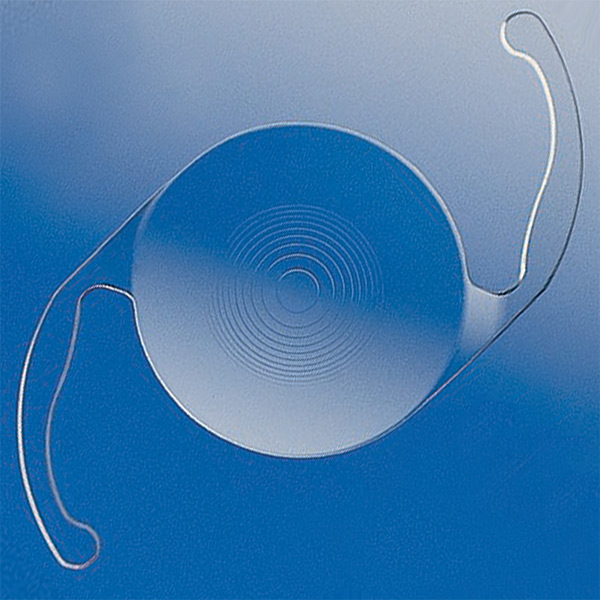
Multifocal lenses are designed with multiple focal zones built into the lens itself, allowing your eye to shift between near, intermediate, and far distances. Our extended-depth-of-focus (EDOF) lenses are similar, but take a slightly different approach, elongating the range of focus rather than creating distinct zones, which can reduce some of the visual side effects some patients notice with multifocal designs.
Both of these options are considered premium lenses, so they typically involve an out-of-pocket cost beyond what insurance covers. If you want to minimize your reliance on glasses altogether, you may find the investment worthwhile.
Multifocal or EDOF lenses are best for patients who:
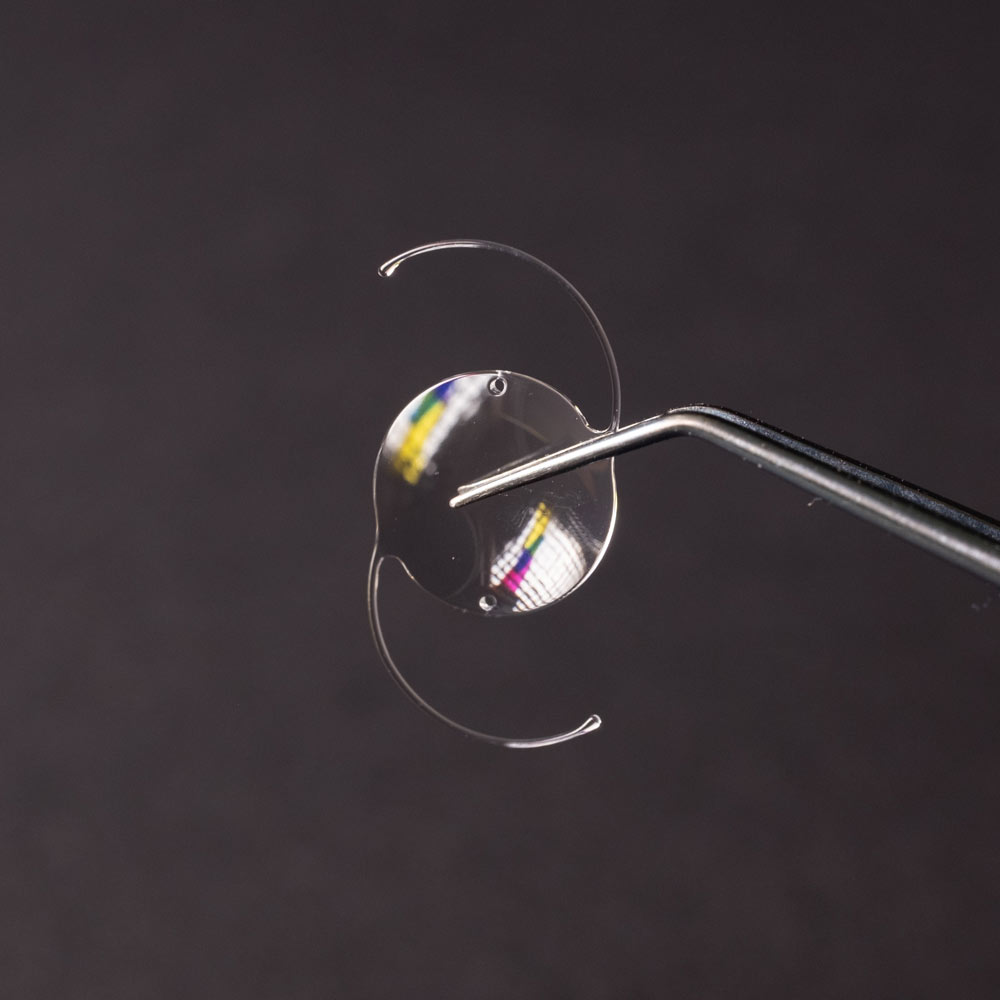
Toric lenses work like monofocal lenses in that they correct vision at one distance, but they're specifically engineered to address astigmatism at the same time. Astigmatism is caused by an irregular curvature of the cornea, which causes light to focus unevenly and results in blurry or distorted vision at any distance. Patients with astigmatism who choose a standard monofocal IOL will likely still need glasses or contacts for distance vision, since the astigmatism remains uncorrected. A toric lens eliminates that need for most patients.
My femtosecond laser can also correct mild astigmatism during cataract surgery. Whether that approach or a toric lens is best for you can be determined during your consultation in Providence.
Toric lenses are best for patients who:
Making the Decision
There's no single best IOL. The right choice depends on how you spend your time, which activities matter most to you, and what tradeoffs you're willing to make. During your consultation at my Providence office, I'll examine your eyes and ask questions to understand your vision goals, daily habits, and lifestyle. Then, I can recommend a lens type and brand that I think will work best for you.
Some questions I might ask you during your consultation include:
Schedule a cataract consultation at Galler Eyecare Associates in Providence, RI, and let's find the right lens for your life.
Galler Eyecare Associates is a state-of-the-art ophthalmology practice in Providence, RI. Dr. Ezra L. Galler is a board-certified ophthalmologist who specializes in the cornea, external disease, and refractive surgery. He is also a clinical instructor at Brown University. He is affiliated with:
Contact our office using our online form or by calling (401) 728-1400.